2026 review · Data and AI
Turn 2026 trends into data platform decisions
Review the year's expectations for Microsoft Fabric, Copilot, real-time analytics, governance, and human oversight against current product evidence.
Predictions are easy to publish and hard to use. The better 2026 question is which data and AI changes affect a real decision, a named owner, and a funded delivery plan.
This review revisits the year’s common themes against current Microsoft product documentation. Product availability and licensing can change, so validate them before committing an architecture.
Fabric is becoming a broader operating platform
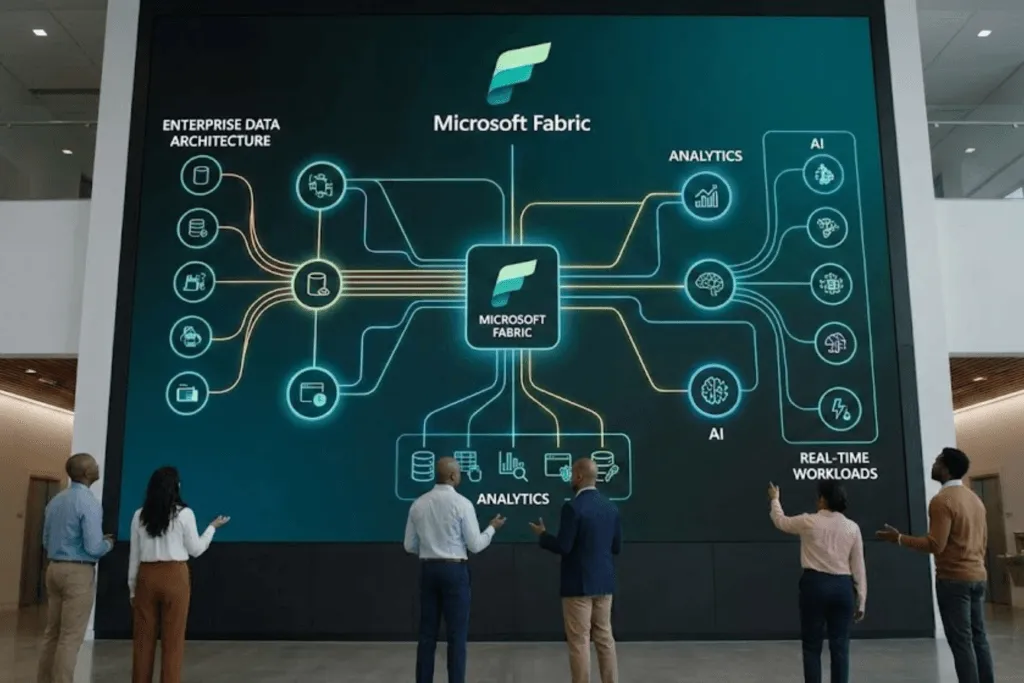
Microsoft Fabric now brings data integration, engineering, science, warehousing, databases, real-time intelligence, and Power BI into one SaaS environment. OneLake provides the shared storage foundation.
That scope can reduce handoffs, but it does not remove architecture decisions. Teams still need to define data ownership, workspace boundaries, capacity, lifecycle, lineage, and support.
Use the current Fabric overview to confirm workloads and terminology. Then map only the capabilities that support your use case.
A practical decision is whether one domain can own a useful data product while a central team provides shared policy and platform controls.
Copilot is moving into technical workflows
Copilot features now appear across Fabric workloads. Depending on the workload, they can draft code, explain queries, help create reports, or answer questions about governed data.
The capability does not make every user an analyst. Natural-language output still depends on the available schema, semantic model, permissions, and prompt.
Before adoption, define:
- which tasks Copilot may assist
- which data and workspaces it may reach
- who reviews generated code or analysis
- how errors and sensitive output are handled
- what evidence would justify wider access
Microsoft’s Copilot in Fabric overview lists current workload capabilities and prerequisites.
Real-time intelligence needs an action path
A live event stream is useful when someone or something can respond in time. Start with the decision window, not the word “real-time.”
For each event-driven use case, record:
- the event and its source
- acceptable delay and data loss
- the rule, model, or query that evaluates it
- the action and its authority
- the fallback when the signal is late or wrong
- the owner who reviews outcomes
Fabric Real-Time Intelligence combines ingestion, processing, analysis, visualisation, and action capabilities. The maintained product overview is the right place to check current components.
Governance has to reach the AI use case
A platform catalogue alone does not govern an AI-assisted decision. Teams need to connect business meaning, data quality, access, model behaviour, and accountability.
For a bounded use case, document:
- authoritative sources and freshness
- defined metrics and semantic terms
- data classification and allowed use
- evaluation examples and failure thresholds
- human review and escalation
- logs, retention, and incident ownership
The NIST AI Risk Management Framework offers a technology-neutral way to structure AI risk work.
Human oversight should match the impact
Routine, reversible assistance can use lighter review. A decision that affects money, access, employment, safety, or customers needs stronger evidence and authority.
Do not label a process “human in the loop” without specifying what the person sees, what they can change, and how much time they have. Oversight is a designed control, not a final approval button.
A useful 2026 plan is small enough to test
Choose one decision with a known baseline. Improve its data, implement the smallest assisted workflow, and compare the outcome with the current process.
Record quality, time, cost, support effort, and exceptions. Expand only when those results support the next step.
The durable trend is not a specific feature. It is the move from isolated experiments to systems with clear data, controls, owners, and operating evidence.

Microsoft Fabric
Autonomous Finance with Agentic AI and Fabric
Explore a governed architecture for finance agents, Microsoft Fabric data workflows, human escalation, and measurable operational use cases.
Microsoft Fabric
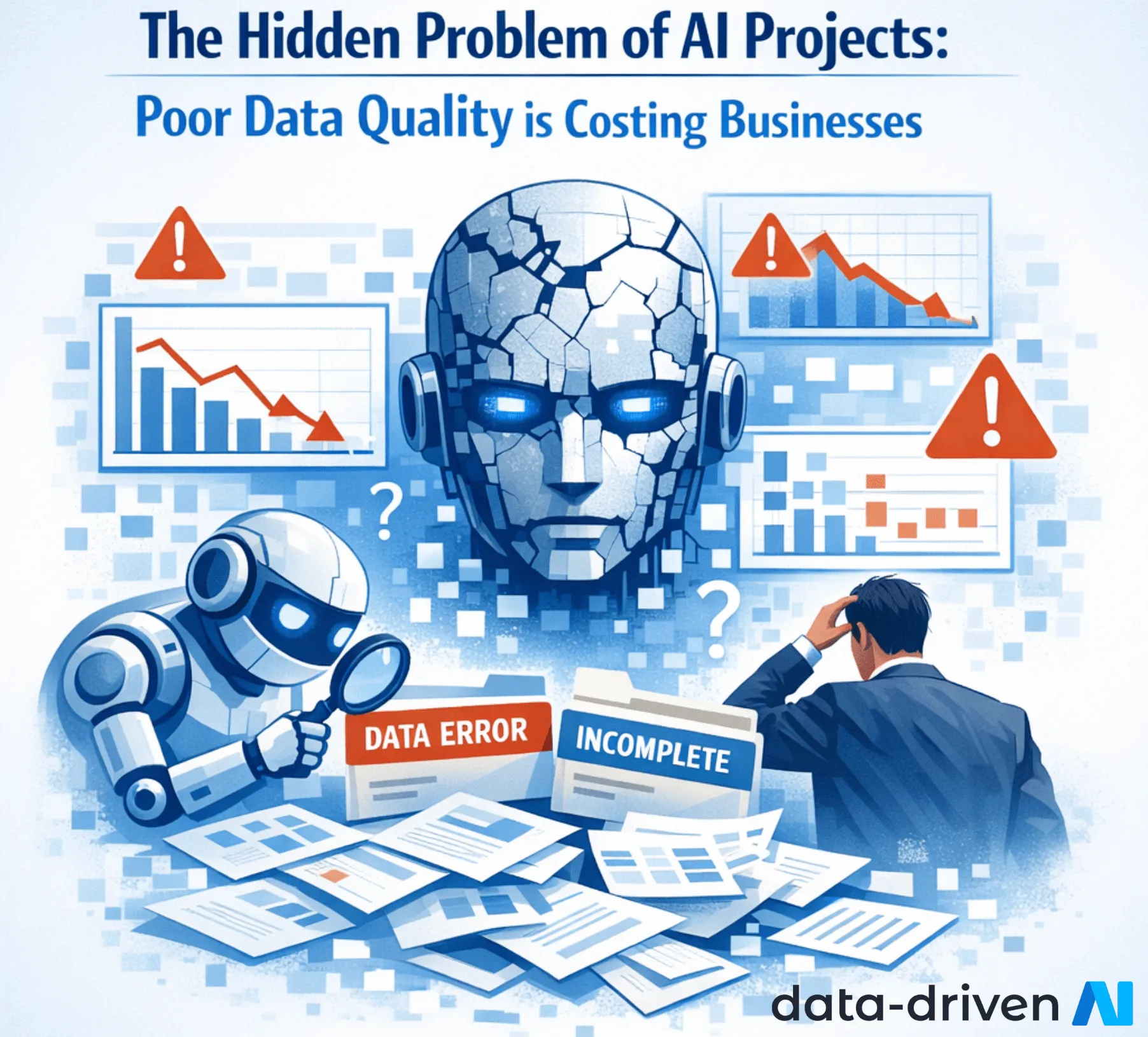
AI Data Quality: Build a Reliable Foundation
Assess accuracy, completeness, consistency, timeliness, and fitness for purpose before training or deploying an AI system.
Microsoft Fabric
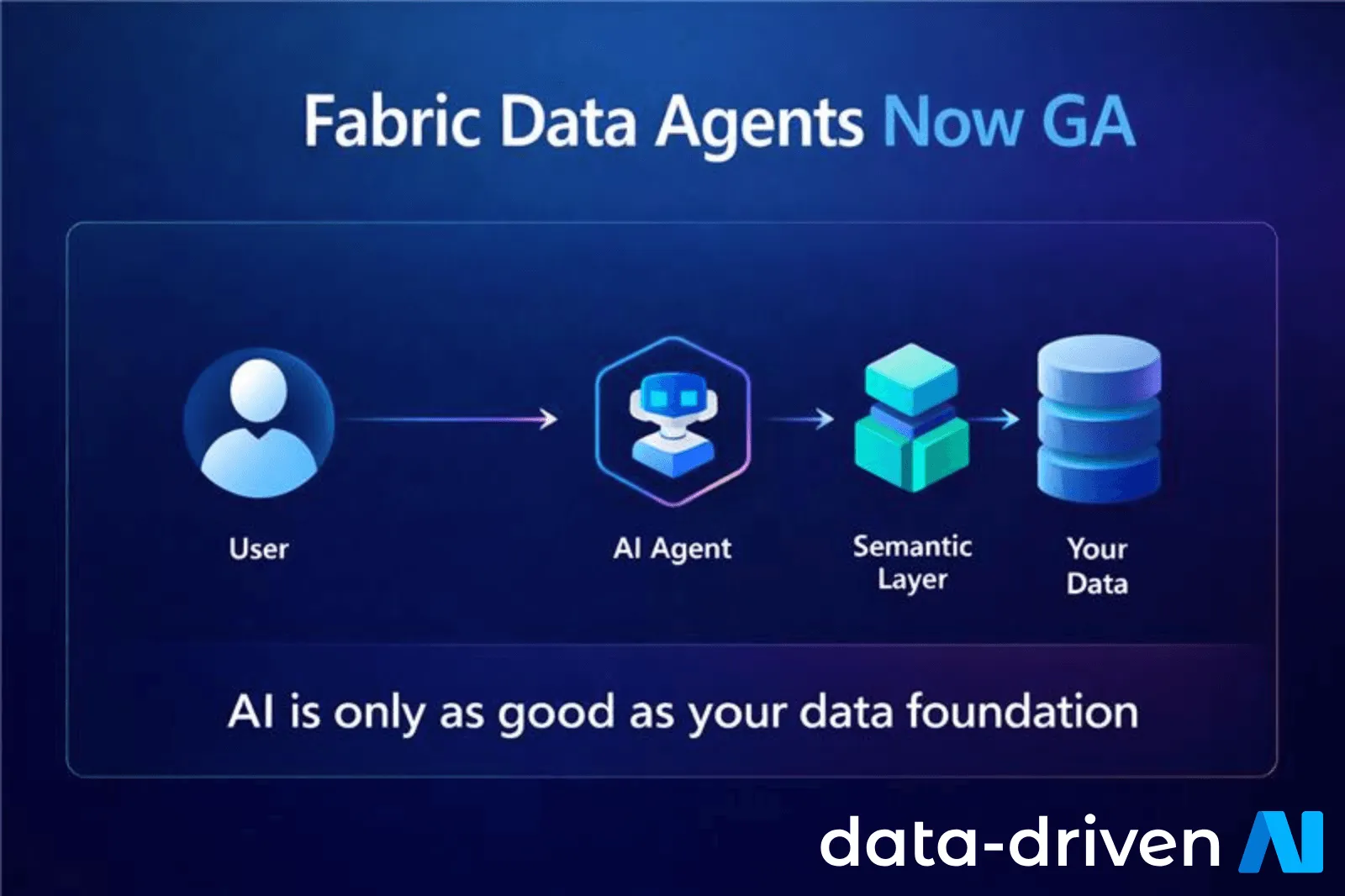
Microsoft Fabric Data Agents: A Production Readiness Guide
Learn how Data Agents use Fabric sources, why semantic models matter, and what to review before a governed rollout.
Turn a trend into a bounded delivery plan
Choose one decision, its data, controls, owner, and success measure.
'%3e%3cpath%20style='%20stroke:none;fill-rule:nonzero;fill:%230078d4;fill-opacity:1;'%20d='M%20130.835938%200.808594%20L%20246.300781%200.808594%20L%20126.433594%20355.867188%20C%20125.824219%20357.679688%20124.929688%20359.386719%20123.792969%20360.925781%20C%20122.65625%20362.46875%20121.285156%20363.816406%20119.726562%20364.933594%20C%20118.171875%20366.050781%20116.457031%20366.917969%20114.628906%20367.5%20C%20112.804688%20368.085938%20110.902344%20368.386719%20108.992188%20368.386719%20L%2019.128906%20368.386719%20C%2016.214844%20368.386719%2013.335938%20367.695312%2010.742188%20366.359375%20C%208.144531%20365.03125%205.902344%20363.097656%204.199219%20360.726562%20C%202.496094%20358.355469%201.382812%20355.613281%200.949219%20352.730469%20C%200.515625%20349.84375%200.78125%20346.894531%201.710938%20344.132812%20L%20113.386719%2013.320312%20C%20113.996094%2011.507812%20114.890625%209.800781%20116.03125%208.261719%20C%20117.167969%206.722656%20118.542969%205.371094%20120.09375%204.253906%20C%20121.648438%203.140625%20123.367188%202.273438%20125.191406%201.6875%20C%20127.015625%201.101562%20128.917969%200.800781%20130.832031%200.800781%20L%20130.832031%200.804688%20Z%20M%20130.835938%200.808594%20'%3e%3c/path%3e%3c/g%3e%3cg%20clip-rule='nonzero'%20clip-path='url(%23b1ce87f571)'%3e%3cpath%20style='%20stroke:none;fill-rule:nonzero;fill:%2302b2fe;fill-opacity:1;'%20d='M%20485.054688%200.800781%20L%20404.832031%200.800781%20C%20391.472656%200.800781%20380.636719%2011.625%20380.636719%2024.976562%20L%20380.636719%20316.339844%20L%20278.34375%2013.316406%20C%20278.03125%2012.417969%20277.679688%2011.5625%20277.210938%2010.703125%20C%20276.78125%209.84375%20276.273438%209.027344%20275.6875%208.246094%20C%20275.414062%207.855469%20275.101562%207.503906%20274.792969%207.15625%20C%20274.441406%206.765625%20274.128906%206.414062%20273.777344%206.101562%20C%20273.113281%205.402344%20272.410156%204.816406%20271.628906%204.269531%20C%20270.070312%203.140625%20268.351562%202.28125%20266.558594%201.695312%20C%20264.722656%201.113281%20262.8125%200.800781%20260.898438%200.800781%20L%20132.210938%200.800781%20C%20134.121094%200.800781%20136.03125%201.113281%20137.867188%201.695312%20C%20139.660156%202.28125%20141.378906%203.140625%20142.941406%204.269531%20C%20145.671875%206.21875%20147.816406%208.871094%20149.144531%2011.949219%20C%20149.222656%2012.144531%20149.300781%2012.300781%20149.339844%2012.496094%20C%20149.457031%2012.769531%20149.574219%2013.042969%20149.652344%2013.316406%20L%20261.328125%20344.128906%20C%20261.367188%20344.246094%20261.40625%20344.363281%20261.40625%20344.480469%20L%20265.269531%20355.863281%20C%20265.894531%20357.695312%20266.792969%20359.375%20267.921875%20360.933594%20C%20269.054688%20362.453125%20270.421875%20363.816406%20271.980469%20364.949219%20C%20273.542969%20366.039062%20275.257812%20366.898438%20277.054688%20367.484375%20C%20278.886719%20368.066406%20280.800781%20368.378906%20282.710938%20368.378906%20L%20404.660156%20368.378906%20C%20404.71875%20368.378906%20404.773438%20368.386719%20404.832031%20368.386719%20L%20485.054688%20368.386719%20C%20498.417969%20368.386719%20509.25%20357.566406%20509.25%20344.214844%20L%20509.25%2024.976562%20C%20509.25%2011.625%20498.417969%200.800781%20485.054688%200.800781%20Z%20M%20485.054688%200.800781%20'%3e%3c/path%3e%3c/g%3e%3c/g%3e%3c/svg%3e)